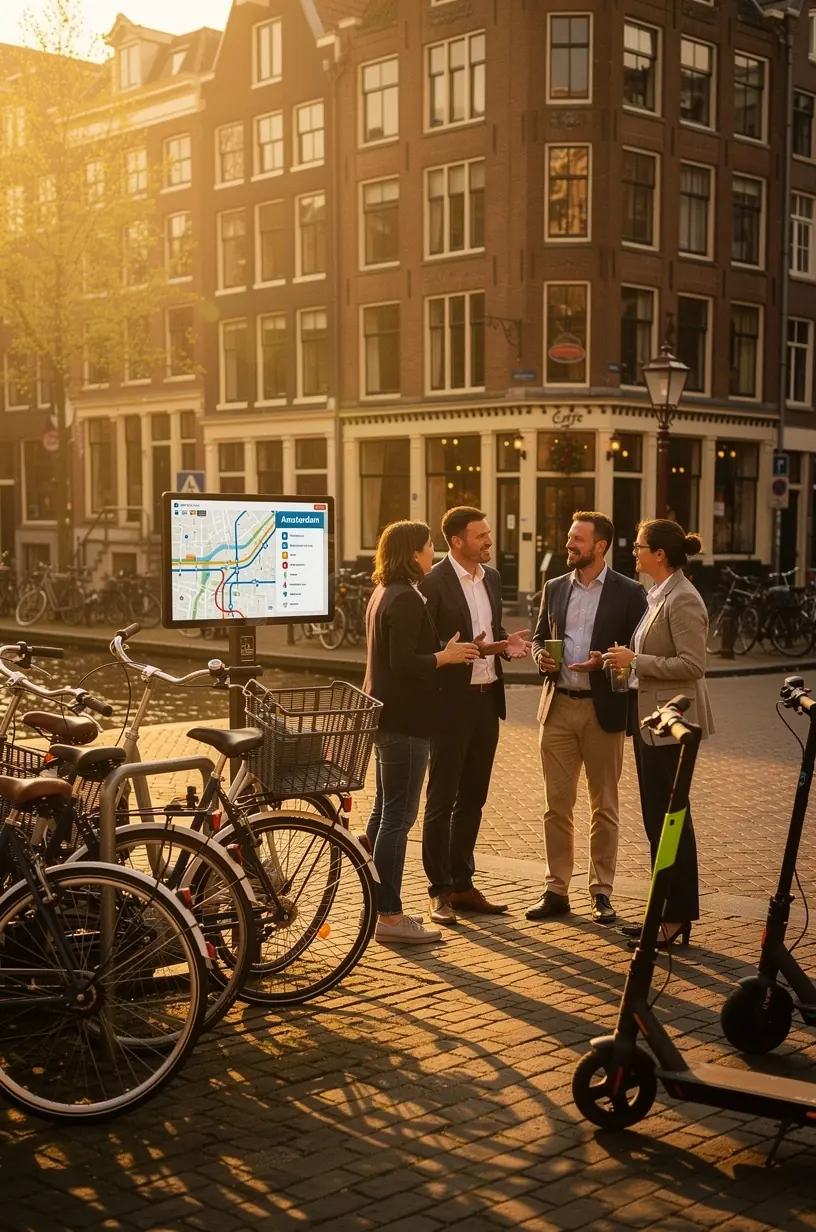
Innovative Approaches to Multi-Modal Transportation Integration
As cities across Europe grapple with mobility challenges, the need for innovative solutions in multi-modal transportation integration has become increasingly evident. This article explores effective strategies that urban planners and policymakers can employ to foster a seamless transit system.
Understanding Multi-Modal Transportation
Multi-modal transportation refers to the use of multiple forms of transportation—such as buses, trams, bicycles, and walking—to create a cohesive and efficient public transit system. Research indicates that cities adopting multi-modal frameworks often see improved public transit usage and reduced congestion. This approach works because it provides commuters with flexible options, catering to their varying needs and preferences.
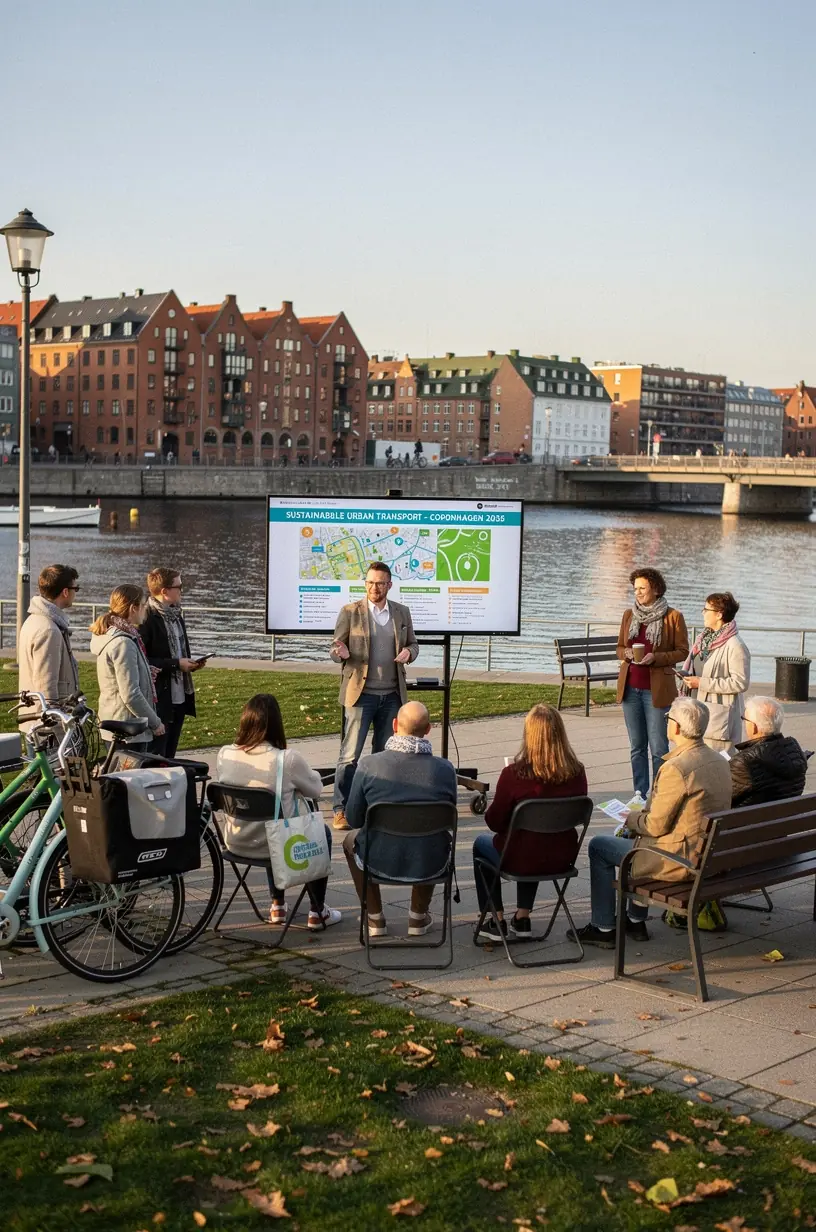
"Cities that successfully integrate multi-modal systems report a 15-25% increase in public transportation usage, according to a study by the European Transport Safety Council."
Key Strategies for Integration
Implementing an effective multi-modal transportation system requires careful planning and collaboration. Here are several strategies that have proven effective:
- Unified Payment Systems: Adopting a single payment platform for all transport modes can simplify user experience. Studies show that cities with integrated fare systems observe increased use of public transport options.
- Real-Time Information Sharing: Providing real-time updates via apps or digital displays helps commuters make informed decisions. Experts recommend that transit authorities invest in technology that offers real-time data for all transit modes.
- Designing Interconnected Infrastructure: Transit stations should be designed to accommodate various transport modes. This reconstruction often requires significant investment but can lead to long-term benefits, including reduced travel times.
Challenges and Limitations
While the integration of multi-modal systems can yield significant advantages, it is essential to acknowledge the challenges involved:
- Implementing these systems typically requires a dedicated time commitment, often spanning several years before seeing tangible results.
- Collaboration among different agencies can be complex, as each may have distinct priorities and operational challenges.
- Not all cities are equally suited for a multi-modal approach; success is often contingent on existing infrastructure and community engagement.
Case Studies in Multi-Modal Success
Several European cities have successfully implemented multi-modal strategies:
- Copenhagen, Denmark: Renowned for its cycling infrastructure, Copenhagen integrates biking with public transport, resulting in a significant reduction in car usage.
- Amsterdam, Netherlands: The city has established a seamless interchange system between trams, buses, and ferries, providing users with a reliable and efficient means of transit.
- Barcelona, Spain: Recent investments in an integrated transport network have led to increased public transit rates and decreased reliance on private vehicles.
Conclusion
As urban planners and policymakers seek to improve transit systems, multi-modal transportation integration presents a viable path forward. By prioritizing user experience through unified payment systems, real-time information sharing, and interconnected infrastructure, cities can create a more sustainable and efficient transit landscape. However, it is crucial to recognize that these systems require time, effort, and collaboration to yield lasting improvements.
Learn More