How Integrated Transport Systems Enhance Urban Transit
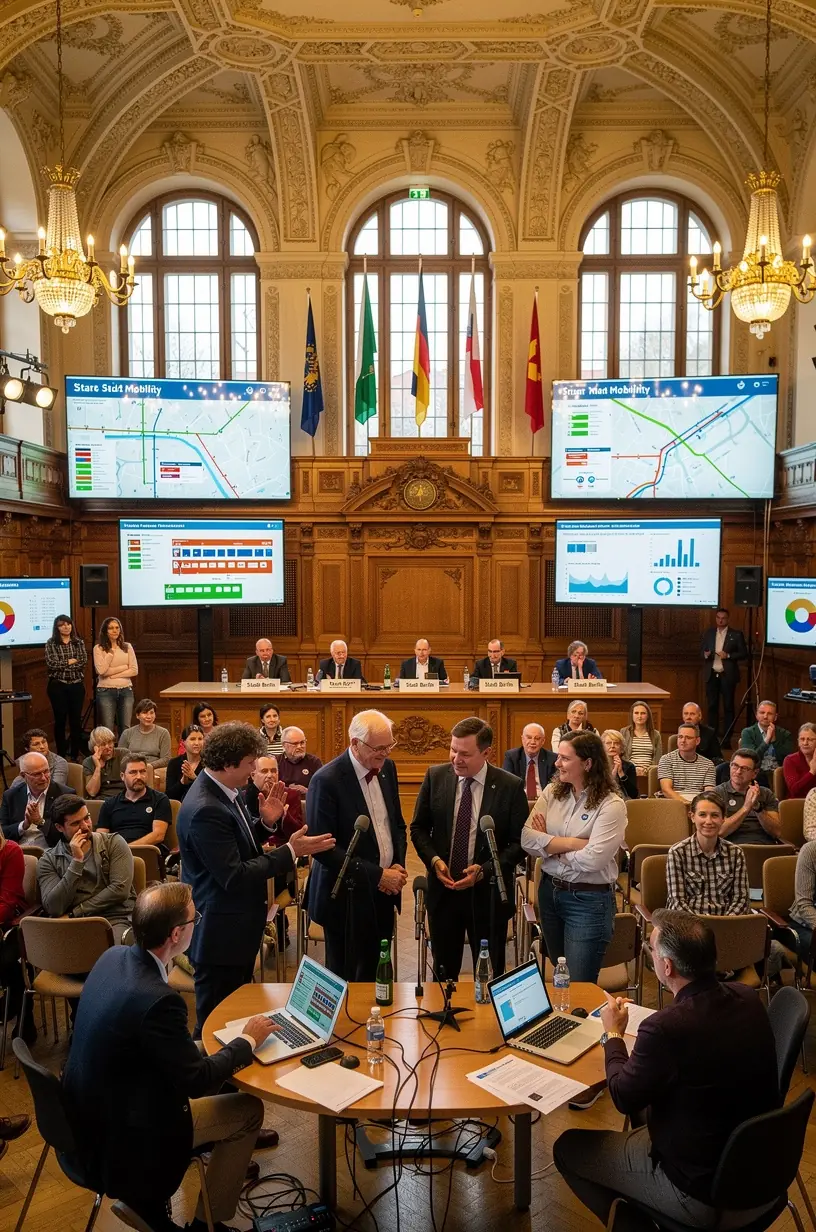
As urban centers in Europe continue to expand, the need for efficient and sustainable transit solutions grows increasingly pressing. Integrated transport systems are emerging as a key strategy for enhancing urban mobility, offering a seamless experience for users and optimizing the use of infrastructure.
Understanding Integrated Transport Systems
Integrated transport systems refer to coordinated public transportation networks that combine various modes of travel (such as buses, trams, trains, and bikes) into a single, unified framework. This approach is designed to facilitate the movement of people across urban landscapes easily. According to a study from the European Commission, cities that have successfully implemented integrated systems have seen an increase in public transit use by approximately 15-25%.
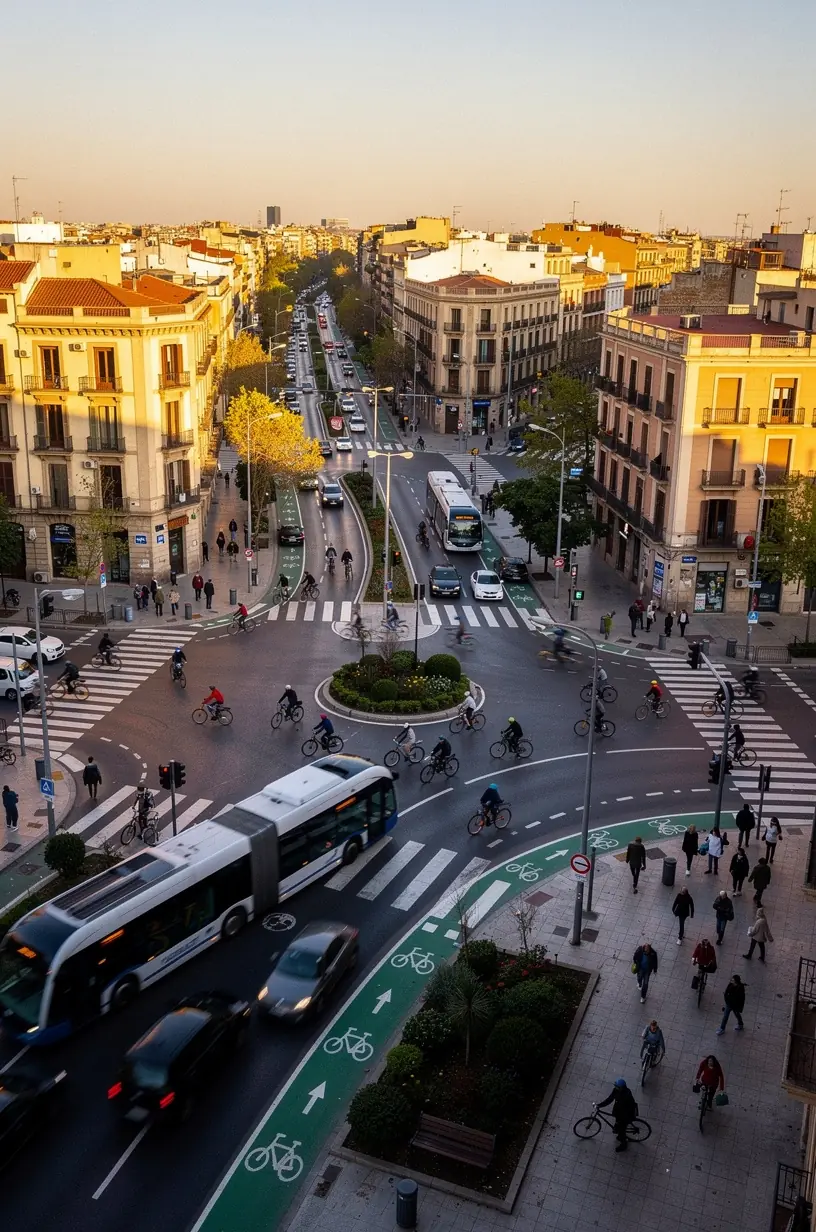
"Research shows that integrated transport systems can significantly reduce congestion and improve air quality in urban areas."
How Integrated Systems Work
The principle behind integrated transport systems is to link various modes of transport through synchronized schedules, shared ticketing options, and unified information platforms. For instance, when a commuter can easily switch from a train to a bus with minimal waiting time, it encourages the use of public transport over personal vehicles. Effective integration typically includes:
- Real-time Information: Providing users with up-to-date schedules and service alerts to enhance planning.
- Unified Ticketing: Allowing passengers to use a single ticket for multiple modes of transport, simplifying the user experience.
- Coordinated Timetables: Ensuring that different transport options are connected and available at optimal times.
Benefits of Integrated Transport Systems
Research indicates that these systems can lead to several benefits for both commuters and urban environments:
- Increased Accessibility: More convenient transport options can improve access for those who rely on public transit.
- Reduced Emissions: By promoting the use of public transport over cars, integrated systems can help to lower greenhouse gas emissions in cities.
- Enhanced Economic Activity: Improved mobility can stimulate local economies by making it easier for people to access jobs and services.
Challenges and Considerations
While the potential benefits are significant, implementing integrated transport systems often requires considerable investment and commitment. Many cities may face:
- Financial Constraints: Developing the necessary infrastructure and technology can be costly and time-consuming.
- Coordination Among Agencies: Effective integration typically requires collaboration between multiple transit authorities, which can be challenging.
- User Adoption: Public buy-in is essential; thus, education and outreach efforts are often needed to encourage the transition.
Conclusion
Integrated transport systems represent a promising pathway for enhancing urban transit in mid-sized European cities. By recognizing the complexities involved and focusing on user experience, urban planners can develop strategies that not only improve mobility but also contribute to more sustainable and livable cities. As research continues to support these initiatives, cities have a unique opportunity to reshape their transit landscapes for future generations.
Learn More