Case Studies on Bicycle Infrastructure Successes
As urban planners and policymakers in mid-sized European cities face increasing challenges in transportation, the integration of bicycle infrastructure emerges as a sustainable alternative. This article explores successful case studies, examining how cities have implemented bike-friendly policies and what lessons can be drawn.
Understanding the Importance of Bicycle Infrastructure
The rise of bicycle infrastructure is not merely a trend; rather, it reflects a growing recognition of sustainable mobility as essential for urban development. Research indicates that cities with robust cycling networks often see reductions in traffic congestion, improved air quality, and enhanced public health outcomes. According to studies, cities can experience a 20-30% increase in cycling rates when comprehensive bike lanes are implemented.

"Infrastructure supporting cycling can dramatically transform urban mobility, making cities more livable and environmentally friendly."
Case Study 1: Amsterdam, Netherlands
Amsterdam is frequently cited as a model for bicycle infrastructure, with over 500 kilometers of dedicated bike lanes. The city has invested heavily in bike parking facilities and traffic-calming measures, prioritizing cyclist safety. This investment is paying off, as research shows cycling accounts for nearly 70% of all trips in the city’s center.
The methodology behind Amsterdam’s success includes:
- Community Engagement: City planners involved local residents in decision-making, ensuring that the bike lanes met user needs.
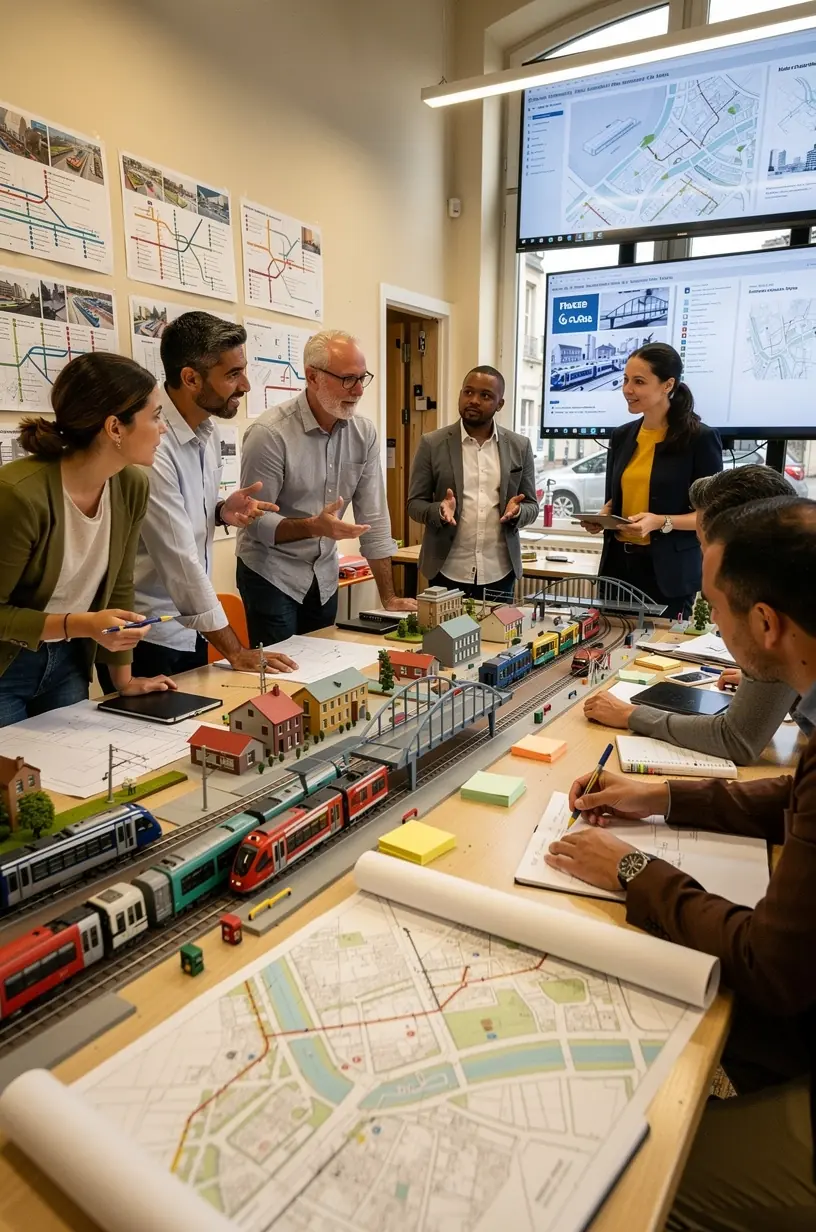
- Integrated Planning: Bicycle infrastructure was synchronized with public transport systems, facilitating seamless transitions for users.
- Continuous Evaluation: The city regularly assesses its cycling policies and infrastructure to adapt to changing demands.
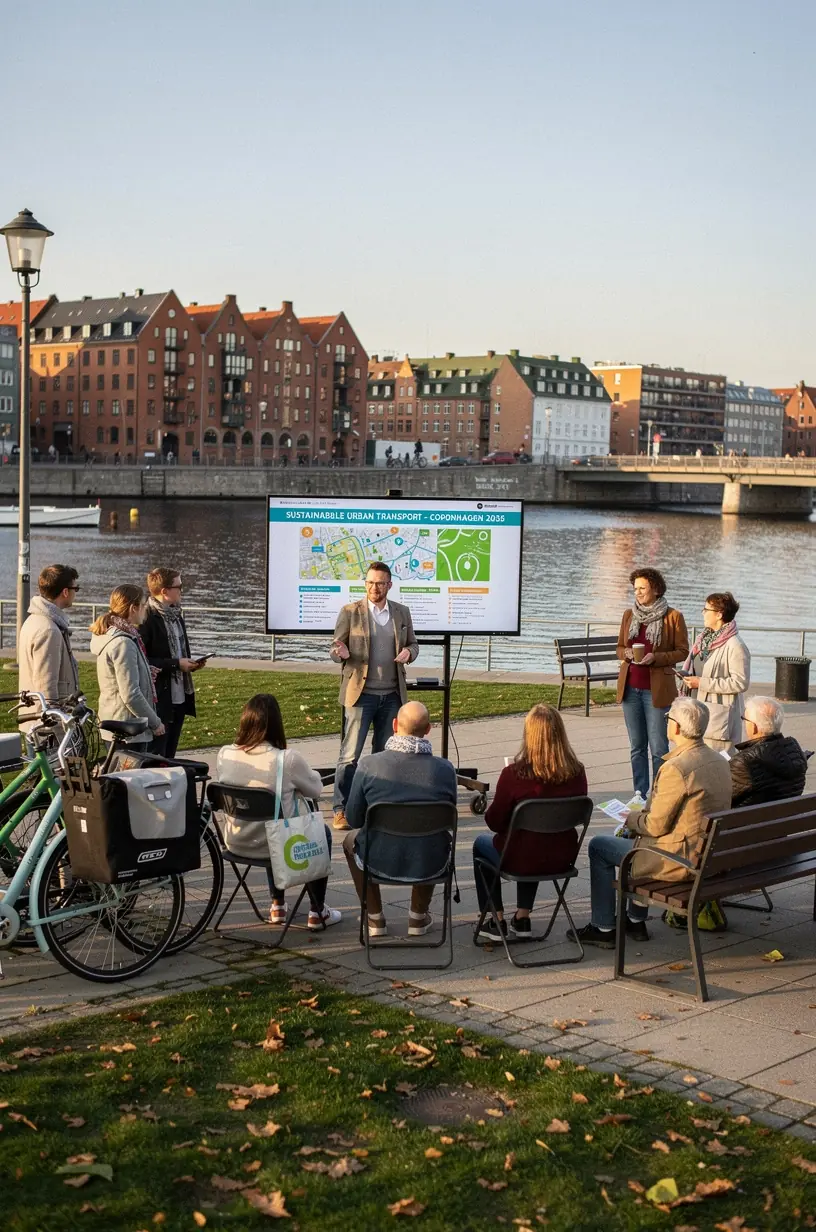
Case Study 2: Copenhagen, Denmark
Copenhagen has implemented a “Cycle Superhighway” network, a series of high-quality bike routes connecting suburban areas to the city center. This initiative has increased cycling by approximately 40% since its inception. The city’s approach emphasizes:
- Direct Routes: The superhighways are designed for efficiency, minimizing detours and enhancing the appeal of cycling.
- Safety Measures: Dedicated bike lanes are separated from vehicle traffic, significantly reducing accident rates.
- Promotion of Cycling Culture: Regular campaigns encourage cycling as a primary mode of transport, supported by local businesses.
Challenges and Considerations
While the successes in Amsterdam and Copenhagen are notable, it's essential to recognize the challenges faced in implementing similar systems in other mid-sized European cities. The effectiveness of these strategies can vary based on local context, including:
- Infrastructure Costs: Building and maintaining dedicated cycling lanes can be costly, requiring long-term investment.
- Cultural Shifts: Encouraging a shift from car-centric commuting habits to cycling may take time and persistent effort.
- Political Will: Advocacy and support from local government are crucial for enacting policies that prioritize cycling.
Conclusion
Case studies from Amsterdam and Copenhagen illustrate the profound impact that well-planned bicycle infrastructure can have on urban mobility. By adopting a strategic approach that includes community engagement, integrated planning, and continuous evaluation, mid-sized European cities can benefit from the lessons learned in these pioneer cities. While challenges exist, the potential for improved air quality, public health, and urban livability makes the pursuit of effective bicycle infrastructure a worthy endeavor.