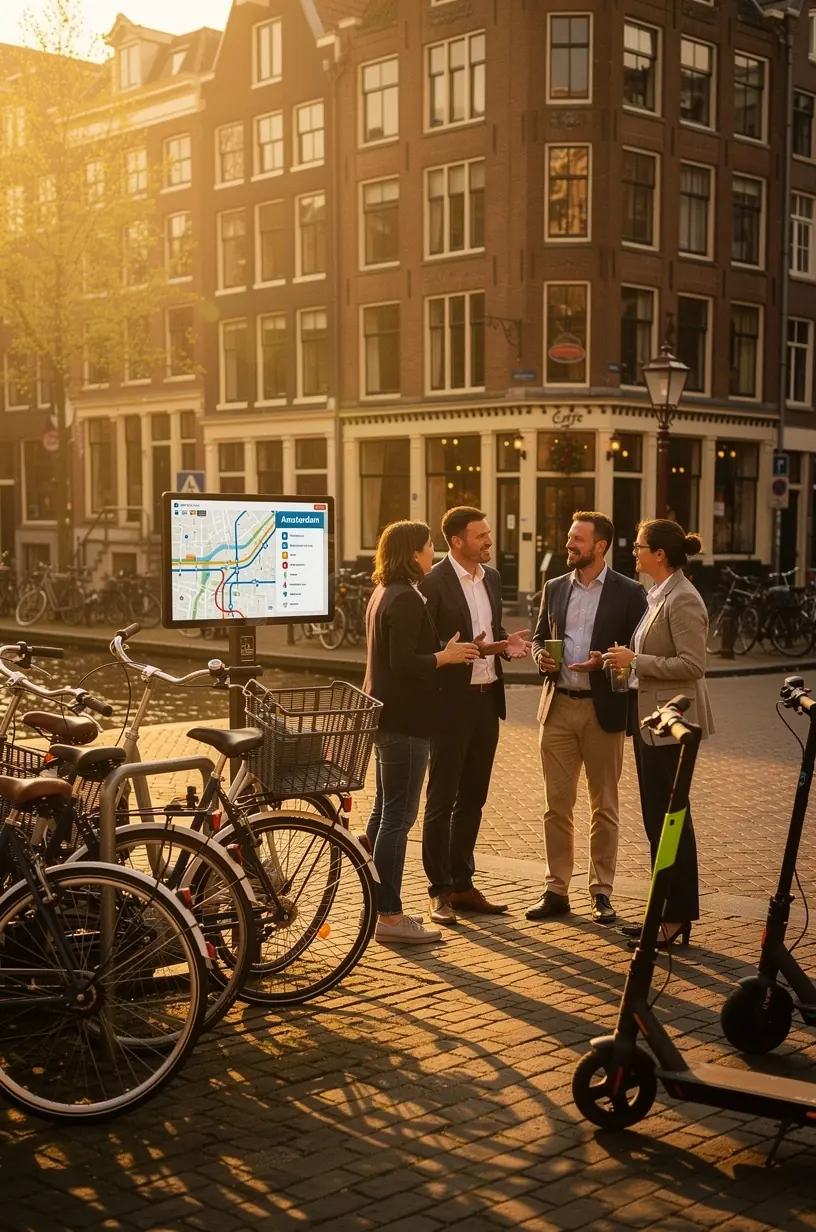
Engaging Communities in Smart Mobility Initiatives
As urban planners and policymakers strive toward sustainable mobility solutions, engaging the community remains crucial. This article explores effective strategies to foster public involvement in smart mobility initiatives, focusing on mid-sized European cities.
Understanding the Importance of Community Engagement
Community engagement is essential for the success of smart mobility initiatives. According to research from the European Commission, projects that include public input are more likely to meet user needs and achieve long-term sustainability. Involving community members ensures that the solutions developed are tailored to the local context, potentially increasing usage rates.

"Public participation in urban planning fosters a sense of ownership and responsibility among residents, leading to better project outcomes." - Urban Planning Expert
Strategies for Effective Community Engagement
To engage communities effectively in smart mobility initiatives, consider the following strategies:
- Host Public Workshops: Organizing workshops allows residents to express their ideas and concerns, fostering a collaborative environment. Studies show that interactive sessions typically enhance community support for transportation projects.
- Utilize Social Media: Many cities are leveraging social media platforms to disseminate information and gather feedback. According to experts, this method helps reach a broader audience, particularly younger demographics who frequently use these channels.
- Collaborate with Local Organizations: Partnering with local nonprofits or community groups can amplify outreach efforts and ensure diverse voices are heard. Research indicates that collaboration often leads to more inclusive planning processes.
Challenges in Community Engagement
While engaging the community is beneficial, it can also present challenges. It typically requires:
- Significant time investment to organize events and gather feedback, which may take several weeks.
- Efforts to educate the public about smart mobility concepts, as many individuals may not be familiar with them. This often involves simplifying technical jargon into accessible language.
- Addressing skepticism around changes to existing transportation systems, which can be a barrier to participation.
Conclusion
Engaging communities in smart mobility initiatives is a complex but rewarding process. By employing effective strategies and acknowledging the challenges involved, urban planners and policymakers can foster meaningful public involvement. This approach not only enhances the quality of transportation solutions but also builds a strong foundation for sustainable urban development in mid-sized European cities.