Understanding Smart Mobility Frameworks for Cities
As urban populations continue to rise, cities across Europe are increasingly focusing on smart mobility solutions to enhance public transportation systems. This article provides an in-depth look at smart mobility frameworks, emphasizing their significance in creating sustainable and efficient urban transit options.
What is Smart Mobility?
Smart mobility refers to the integration of innovative transportation technologies and data-driven strategies to improve urban transit systems. This approach typically involves the use of electric vehicles, shared transportation services, and real-time data analytics to optimize traffic flow and enhance user experience. According to research by the European Commission, implementing smart mobility solutions can help reduce urban congestion by up to 30%, leading to lower emissions and improved air quality.
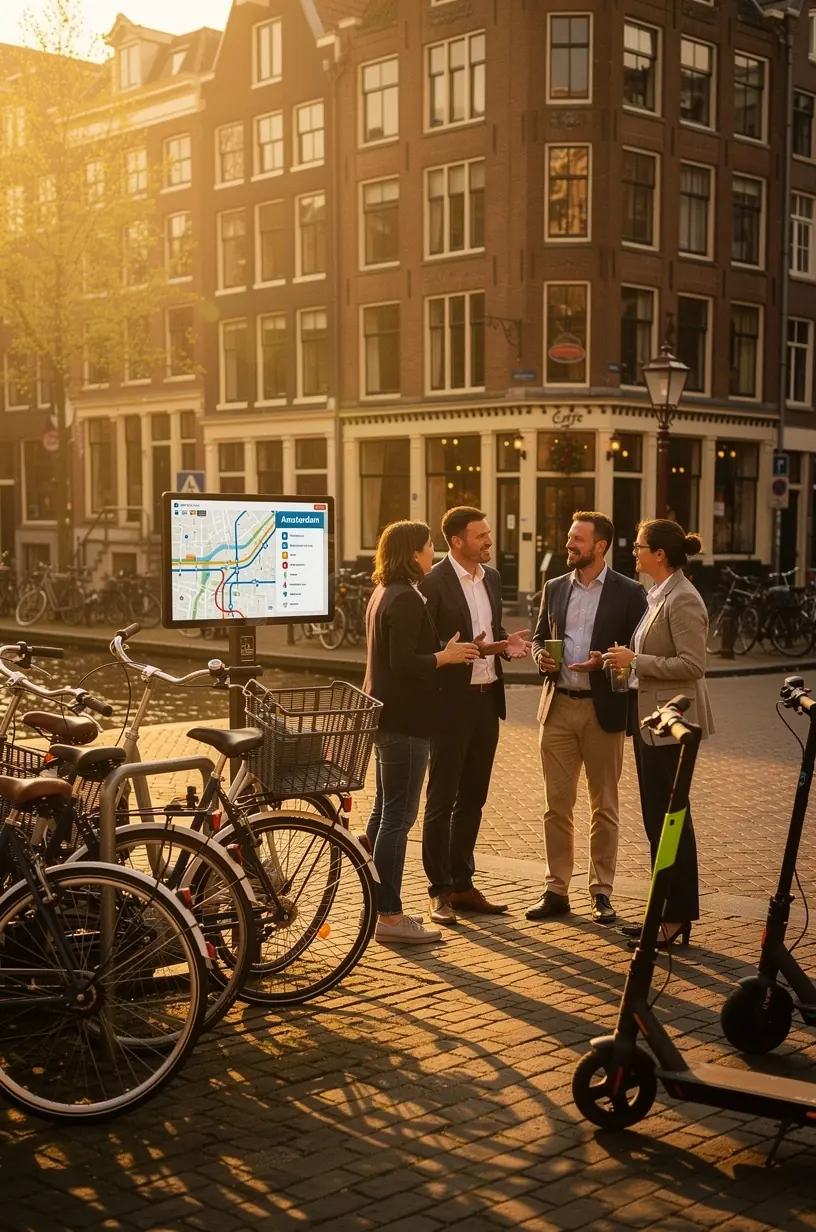
"The future of urban transport lies in leveraging technology to create seamless and user-friendly mobility solutions." - Urban Mobility Expert
The Components of Smart Mobility Frameworks
A successful smart mobility framework is built on several key components:
- Data Integration: Collecting and analyzing data from various transport modes is crucial for informed decision-making. This often involves the use of IoT devices and advanced analytics platforms.
- User-Centric Design: Many experts recommend involving end-users in the design process to ensure the solutions meet their needs. This may include features such as mobile applications for easy access to transportation options.
- Sustainable Practices: Smart mobility solutions must prioritize sustainability. This includes promoting electric vehicles and optimizing public transport routes to minimize carbon footprints.
Challenges and Considerations
While smart mobility offers numerous benefits, there are also challenges that cities must address:
- Infrastructure Investment: Transitioning to smart mobility typically requires significant investment in infrastructure, which may be a barrier for mid-sized cities.
- Data Privacy Concerns: With increased data collection comes the responsibility to protect user privacy. Cities must establish strong data governance frameworks to address public concerns.
- Public Acceptance: The success of smart mobility initiatives often hinges on public buy-in. Strategies for community engagement and awareness are essential to foster acceptance and usage.
Case Studies and Successful Implementations
Several European cities have successfully implemented smart mobility frameworks, serving as models for others:
- Amsterdam: The city has integrated cycling with public transport, offering bike-sharing programs and dedicated bike lanes that are supported by real-time data.
- Barcelona: Known for its innovative public transport apps, Barcelona uses mobile data to adjust services based on demand, resulting in improved efficiency.
- Copenhagen: The city has invested in electric buses and optimized routes using data analytics, significantly reducing emissions and improving air quality.
Conclusion
In conclusion, smart mobility frameworks represent a promising avenue for enhancing urban transit systems in mid-sized European cities. By focusing on data integration, user-centric design, and sustainable practices, cities can significantly improve their transportation solutions. However, addressing infrastructure investment, data privacy, and public acceptance will be crucial for successful implementation. As urban planners and policymakers, understanding these frameworks will be essential in shaping the future of urban transit.