Exploring Sustainable Transit Solutions in European Cities
As urban populations grow and environmental concerns mount, sustainable transit solutions have become essential for European cities. This article delves into innovative approaches to urban mobility that aim to create efficient, eco-friendly public transportation systems.
Understanding Sustainable Transit
Sustainable transit refers to transportation systems that minimize environmental impacts while meeting the mobility needs of current and future generations. According to research from the European Commission, cities that implement sustainable transit solutions often see a reduction in greenhouse gas emissions and improved public health outcomes.
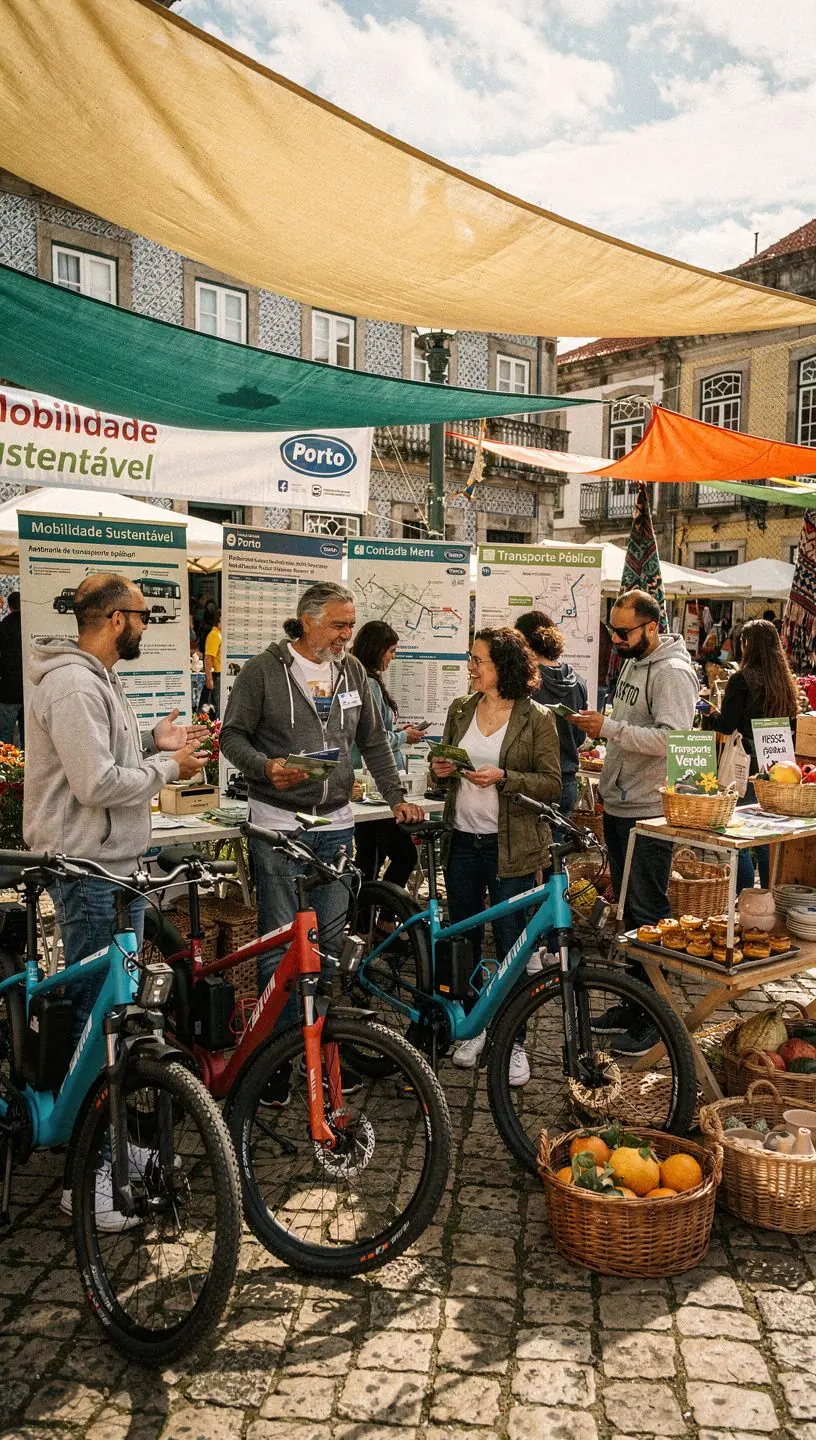
"A well-planned public transport system can reduce urban congestion by up to 30%, according to industry experts."
Key Components of Sustainable Transit Solutions
- Integration of Public Transport: Effective integration of various modes of transport—such as buses, trams, and cycling networks—can enhance accessibility. Studies show that cities with seamless connections experience increased public transport usage.
- Investment in Infrastructure: Investing in dedicated bus lanes and cycling paths can lead to a 10-20% increase in ridership. However, these projects often require substantial upfront investment and time to implement.
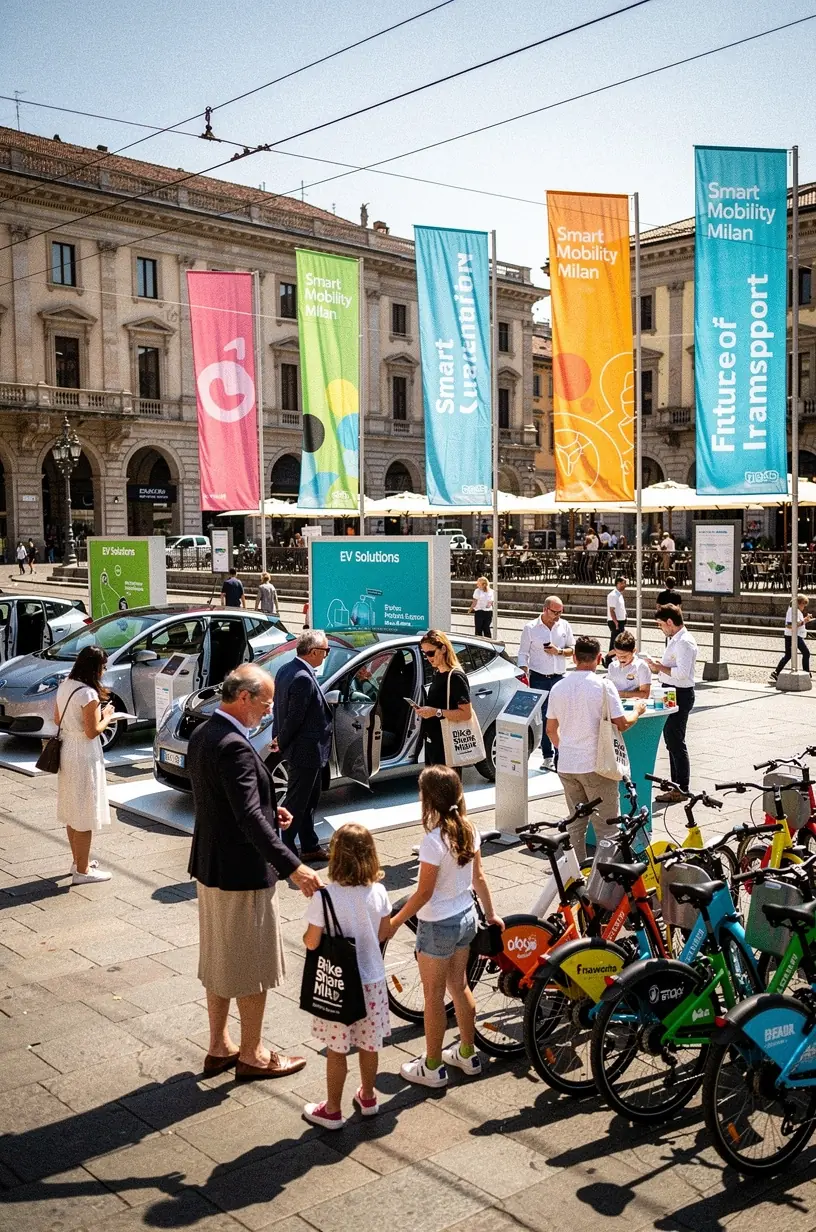
- Adoption of Clean Technologies: Implementing electric buses and vehicles can significantly reduce air pollution in urban areas. Research indicates that transitioning to electric fleets often leads to lower operational costs over time.
Case Studies: Successful Implementation in European Cities
Several mid-sized European cities have successfully adopted sustainable transit solutions:
- Freiburg, Germany: Known for its integrated public transport system, Freiburg has reduced car use substantially by promoting cycling and investing in trams.
- Ghent, Belgium: Ghent implemented a car-free city center, which resulted in increased walking and cycling, along with improved air quality.
- Utrecht, Netherlands: Utrecht’s investment in electric buses and bike-sharing schemes has led to a marked increase in public transport usage and a decrease in emissions.
The Role of Policy and Community Engagement
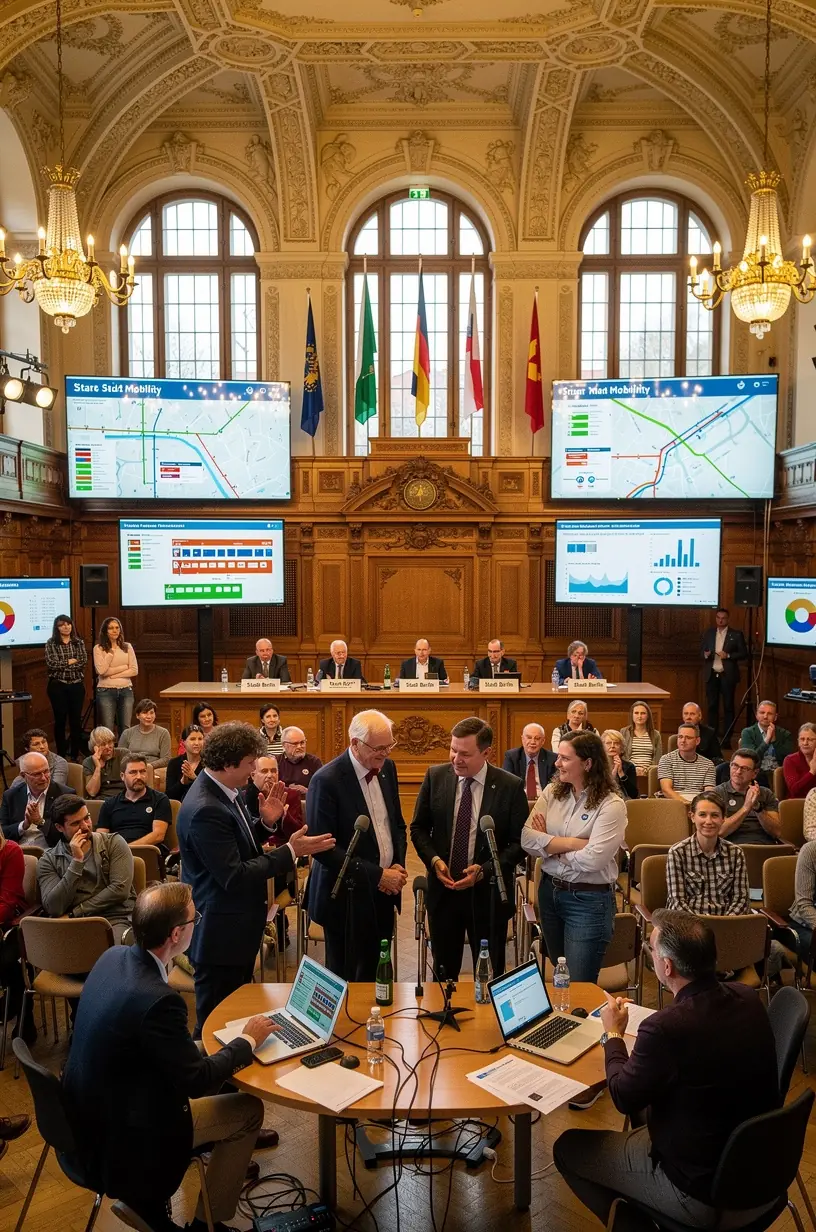
Effective policy-making and community involvement are critical to the success of sustainable transit initiatives. Engaging local communities in the planning process can lead to solutions that better meet the needs of residents. According to a study by the European Urban Mobility Network, cities that prioritize public feedback often see higher satisfaction and utilization rates.
Challenges and Limitations
While sustainable transit solutions are promising, there are challenges to consider. Implementing such systems typically requires a commitment of several years and substantial financial resources. Moreover, achieving behavioral change among residents can take time, and solutions may not be suitable for all urban contexts.
Conclusion
In conclusion, exploring sustainable transit solutions is vital for the future of urban mobility in European cities. By focusing on integration, infrastructure investment, and clean technologies, while also acknowledging the challenges involved, cities can create efficient and environmentally friendly public transportation systems. The transition may take time and effort, but the long-term benefits for urban areas are significant.